
Text-to-video or image-to-video? Pick the input mode once
Published on October 24, 2026 Updated October 24, 2026 9 min read
Choose text-to-video vs image-to-video by whether you have a locked still, need face or pack consistency, then map text-only, first frame, first+last, and multimodal reference.
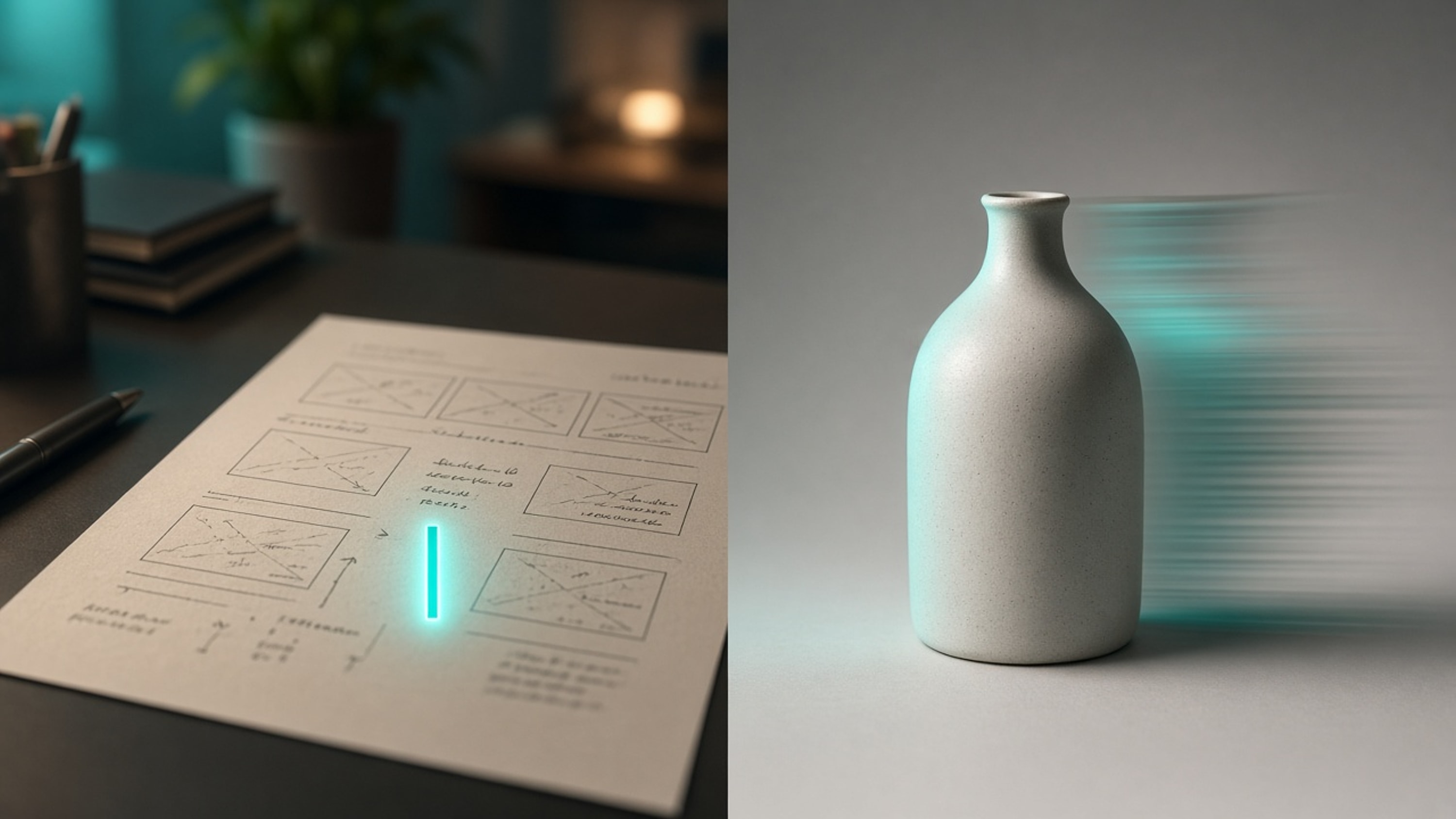
Text-to-video or image-to-video? Start with whether you already have an approved still. No still → text-only (text-to-video) to explore framing. Yes → first-frame (image-to-video) to lock looks, then add motion. Need a known start/end or cross-shot identity → first+last frames or multimodal reference. Picking the wrong input mode wastes more retries than picking the wrong model name.
One table to choose
| Your starting point | Prefer | What the prompt should do | Common failure |
|---|---|---|---|
| Text idea only | Text-only (t2v) | Subject, action, scene, one camera move, duration | Style words with no verb |
| Locked product / character still | First frame (i2v) | How it moves and how the camera moves | Re-describing looks that fight the still |
| Known open and close frames | First + last | Transition and rhythm in between | Huge aspect mismatch; motion maxed out |
| Same identity across shots | Multimodal reference (r2v) | Clear refs; change one variable per retry | Messy refs; crowded foregrounds |
Rule of thumb: explore with text; match a signed look with image or reference.
Text-to-video: when and how
Best for narrative hooks, mood shots, pre-wardrobe concepts, and storyboard drafts.
Write the five parts: subject → action → scene → camera → duration use. One primary camera move in v1; keep duration aligned with the parameter—see camera moves and duration.
Image-to-video: when and how
Best for product openers, post-wardrobe character motion, signed packaging stills, and poster animation.
Spend words on motion (“slow orbit, steam rising, gentle push-in”), not on re-stating color and shape. Keep the subject sharp and the background quiet; identity craft lives in reference-frame consistency.
First+last and multimodal: do not confuse with first frame
- First+last pins both ends of the timeline—ideal for known transitions. When ratios differ, many pipelines crop to the first frame.
- Multimodal reference answers “who / which style,” not a single time origin. Name the primary ref in the first sentence.
- Do not mix conflicting first-frame contracts with a pile of unrelated refs in one job—pick one input contract.
A low-retry sequence
- Decide: approved still? cross-shot identity?
- Choose the mode, then write the prompt (the mode tells you what to delete).
- Prove a short duration before raising camera drama or resolution.
- For faces and packs, prefer still → image-to-video over endless text re-rolls.
- Before paid media, skim the commercial checklist.
Takeaway
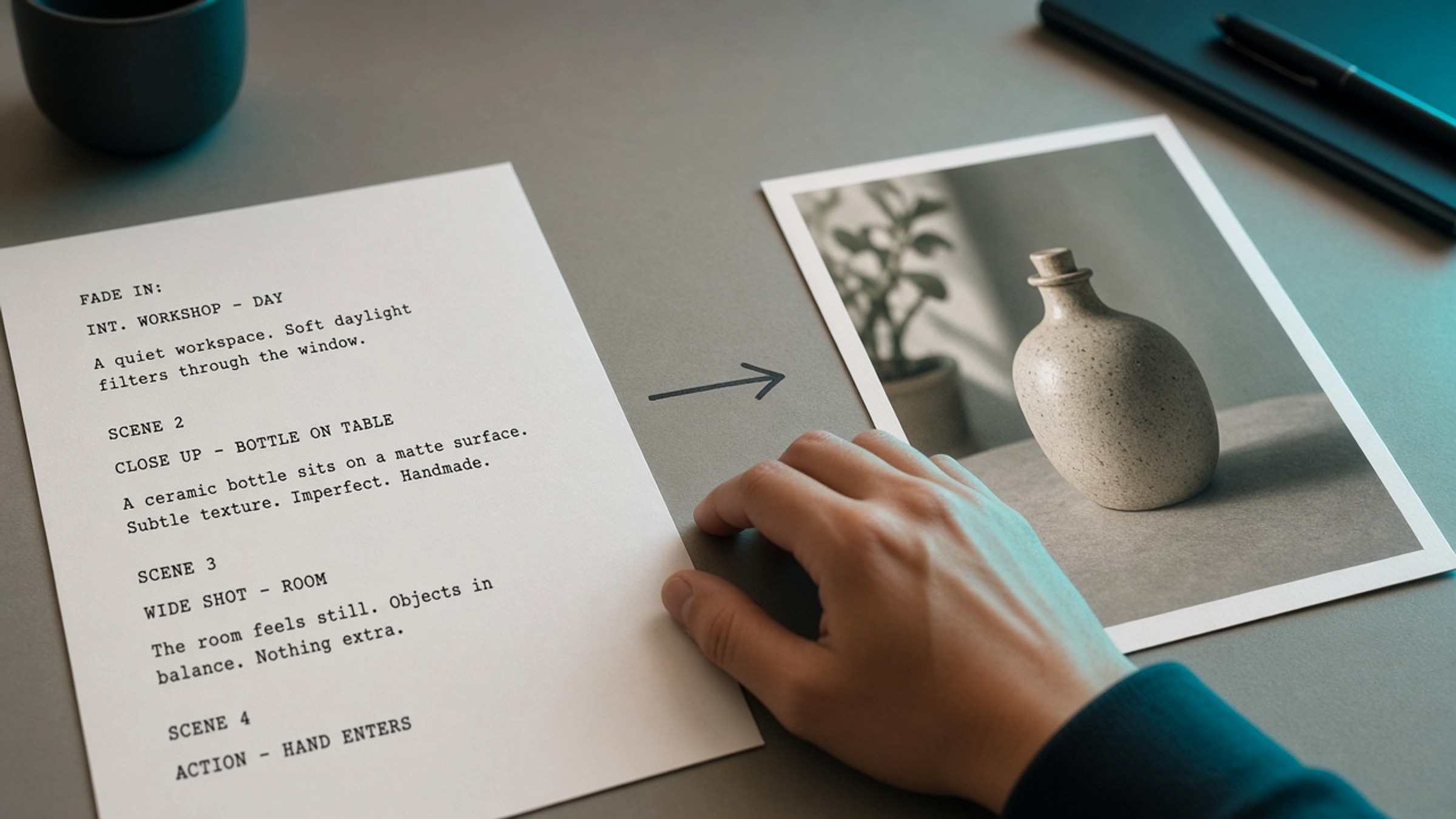
Text-to-video invents; image-to-video animates a locked look; first+last and multimodal reference handle transitions and identity. Choose the input mode first, then pick a family by job in Seedance vs Wan vs Kling—and you will retry less.
FAQ
What is the core difference between text-to-video and image-to-video?
Text-to-video (t2v) invents the whole shot from a prompt. Image-to-video (i2v / first frame) animates a locked still. The first explores faster; the second controls appearance better.
When must I use a first frame instead of pure text?
When the same face, pack, or logo must hold across shots, or a still is already signed off. Pure text fits concept films and storyboard drafts.
First frame vs first + last frame?
“Continue from this image” → first frame. Known start and end (day to dusk, open to closed) → first+last. Aspect usually follows the first frame.
Is multimodal reference (r2v) the same as a first frame?
No. A first frame locks the timeline start. Multimodal reference steadies identity or style with multiple assets across shots. Exact limits follow each model’s live capabilities.
Should image-to-video prompts still describe looks?
Usually not. The image already carries appearance. Write motion, camera, light change, and duration use so you do not fight the still.
What clip length is most stable?
Prove the subject at a short duration first, then extend. Many shots are stabler at 4–8s than a max-length gamble; stitch longer stories from multiple clips.
Share
Related posts
AI video face drift: diagnose and fix identity
Fix AI video face drift by symptom: within-clip morph, cross-clip mismatch, profile failure, or post-occlusion change. Adjust references, shorten duration, and lower motion—one change at a time.
WorkflowSora2 AI reference-frame consistency for people and products
Keep people and products consistent in Sora2 AI with first/last frames: when to use image-to-video, how to pick references, change one variable at a time.
WorkflowSeedance vs Wan vs Kling: pick by the job
Choose Seedance, Wan, or Kling by job: long takes and start/end frames, multimodal references, or short social clips. Decide the task first, then open the model page—fewer wasted regenerations.